Why Bottlenecks Happen in Grain Grading and How They Can Be Reduced
Grain grading sits at the centre of grain movement, connecting what is harvested in the field to how it is stored, sold, and processed.
During peak periods, especially at harvest, the system is pushed to its limits. What often slows things down is not a single issue, but a series of small constraints that build on each other.
Understanding where these bottlenecks come from is the first step toward improving flow without compromising quality.
Grading Is Still a Sequential Process
At most delivery points, grain is evaluated one sample at a time.
Each load must be sampled, assessed, and recorded before the next decision can be made. While this process is well understood and trusted, it creates a natural limit on how quickly grain can move.
As volumes increase, even small delays at each step begin to add up.
Volume Surges During Narrow Windows
Harvest does not happen evenly over time.
Delivery points often experience sharp spikes in volume over a short period. Trucks arrive back to back, and grading teams are required to keep pace while maintaining accuracy.
During these windows, the system is not just operating at capacity, it is often operating under pressure. This is where bottlenecks become most visible.
Consistency Takes Time and Focus
Grain grading relies heavily on human expertise.
Experienced graders are able to assess multiple factors at once, but maintaining that level of consistency across long shifts, changing samples, and high throughput is demanding.
When speed increases, maintaining the same level of consistency becomes more difficult, even for highly skilled teams.
Multiple Factors, Multiple Steps
Each grading decision is based on a combination of factors.
Some are measured, others are visually assessed, and some require additional tools or steps. Moving between these steps can slow the process, particularly when different tools or methods are used for different factors.
This creates friction in the workflow, especially when volumes are high.
Where Bottlenecks Show Up
These constraints tend to surface in similar ways across operations:
Trucks waiting longer at intake
Grading teams under increased time pressure
Variability between shifts or operators
Decisions being delayed while results are confirmed
Individually, these may seem small. Together, they impact how efficiently grain moves through the system.
A System That Needs to Balance Speed and Confidence
Grain grading is not just about speed.
Every result carries implications for pricing, storage, and downstream performance. Because of this, teams are constantly balancing throughput with confidence in the result.
Bottlenecks often occur when that balance becomes harder to maintain.
How Bottlenecks Can Be Reduced
Reducing bottlenecks is about supporting the grading process so teams can move more efficiently while maintaining consistency.
Some of the ways this can be addressed include:
Reducing the number of separate steps required to assess a sample
Increasing consistency across measurements and operators
Providing results more quickly at the point of grading
Supporting higher throughput without adding complexity or additional headcount
The goal is to improve flow while preserving trust in the outcome.
How We Help Support More Efficient Grading
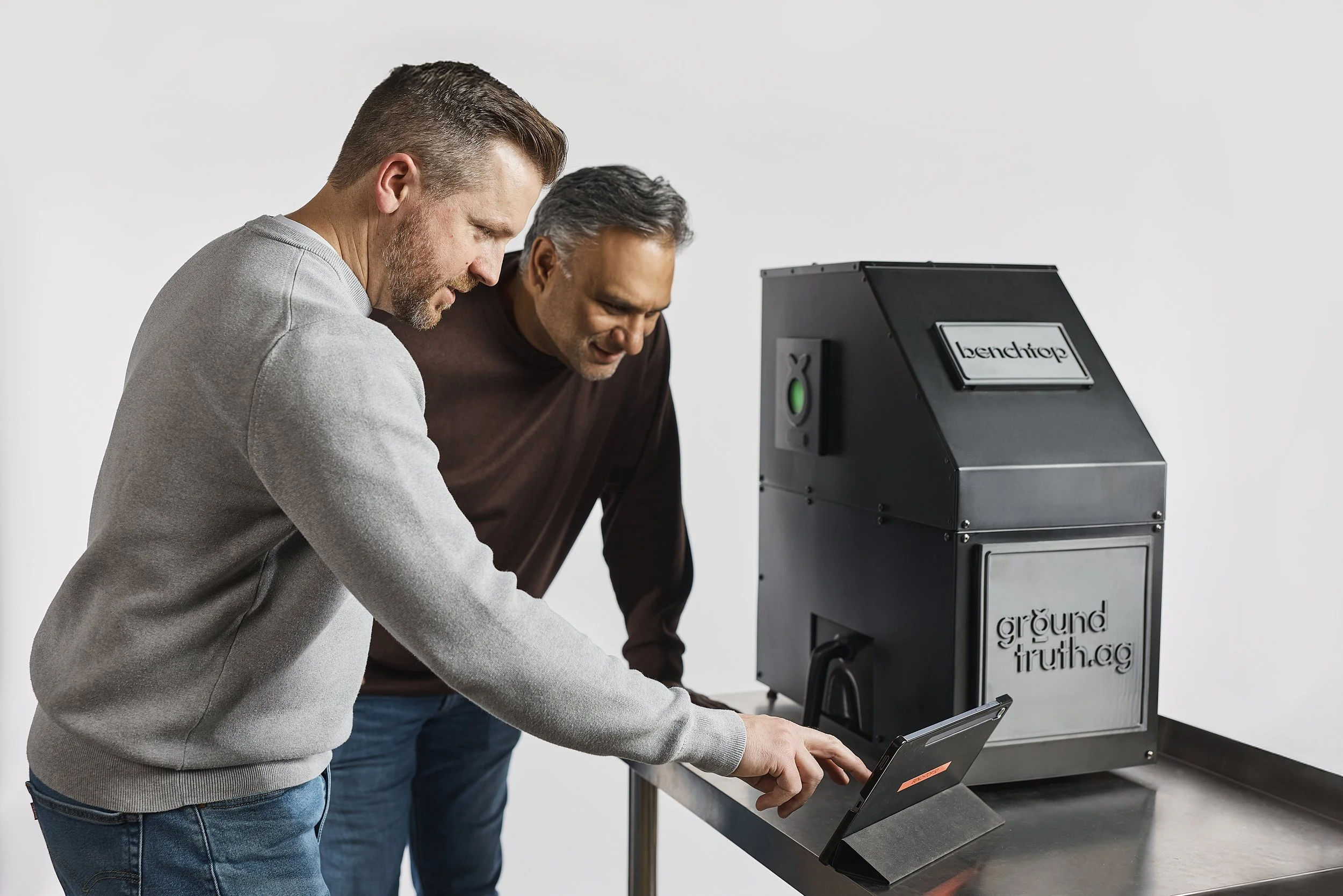
Our benchtop MV/NIR system is designed to support grading in high-volume environments.
By measuring multiple factors in a single pass, it helps reduce the number of steps required during intake. Results are delivered quickly and consistently, allowing grading teams to keep grain moving without sacrificing confidence in the data.
Benefits include:
Faster turnaround at intake
Consistent results across operators and shifts
Fewer workflow interruptions between grain types
Support for higher throughput during peak periods
This allows grading teams to maintain both speed and confidence, even as volumes increase.
Supporting Flow Across the Grain Supply Chain
Bottlenecks in grading do not just affect one point in the system.
They impact how grain moves from farm to storage to processing. Improving flow at intake helps create a more connected and predictable system overall.
As volumes continue to grow and timelines tighten, supporting grading with tools that improve consistency and efficiency will help the entire supply chain operate more smoothly.