
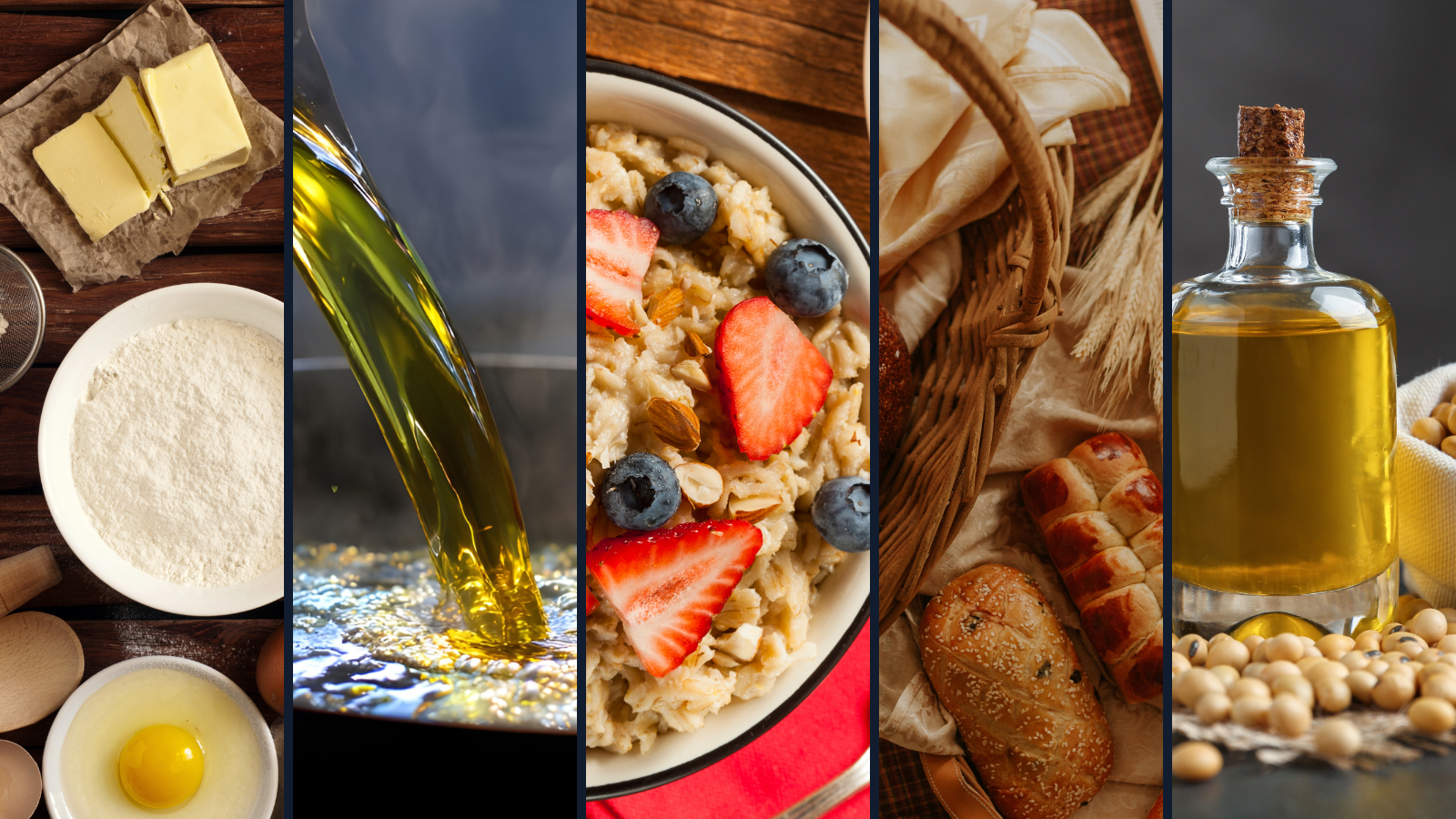
When grain leaves the farm, its journey is far from over. What happens next depends heavily on quality. The characteristics measured during grading and quality assessment influence how grain is stored, processed, and ultimately transformed into the products we use every day. Whether it's bread on the kitchen table, oatmeal at breakfast, or cooking oil in the pantry, grain quality plays a role long before the final product reaches consumers.
Let's take a closer look at how grain quality impacts some of the products we rely on every day.
Wheat and Bread
Not all wheat is created equal. For flour mills and bakers, factors such as protein content, kernel soundness, and damage levels help determine how wheat will perform during milling and baking. Protein is particularly important because it contributes to gluten development, which helps give bread its structure and texture. Wheat with consistent quality helps mills produce flour that performs predictably, allowing bakers to create products that meet consumer expectations batch after batch.
Oats and Oatmeal
When consumers pour a bowl of oatmeal, they expect consistency. For oat processors, factors such as kernel development, test weight, and overall grain condition influence how oats perform during milling. Well-developed oats often result in better groat yield and more efficient processing. Consistent quality also helps processors maintain the appearance, texture, and cooking characteristics consumers expect.
Canola and Cooking Oil
The value of canola extends far beyond the field. Oil content is one of the most important quality considerations because it directly influences processing efficiency and yield. Higher oil content means more usable oil can be extracted from each tonne of seed. Factors such as damage, moisture, and overall seed condition can also influence how effectively canola is processed.
Soybeans and Food Ingredients
Soybeans are used in a wide range of products, from cooking oils to food ingredients and livestock feed. Protein and oil content are key quality factors because they influence both processing performance and end product value. Damage, splits, and moisture can also impact storage stability and processing efficiency, making quality assessment an important part of the supply chain.
Barley and Malt
For maltsters and brewers, consistency is critical. Factors such as kernel size, uniformity, and germination potential influence how barley performs during the malting process. Even small variations in grain quality can affect processing outcomes, making careful quality assessment an important step before barley enters the production stream.
Why Quality Matters Beyond the Farm
Every load of grain carries a unique combination of quality characteristics. Those characteristics influence decisions throughout the supply chain, from storage and blending to processing and final product manufacturing. The better the understanding of grain quality, the better equipped the industry is to match grain with its intended use.
Bringing More Visibility to Grain Quality
We believe grain quality is about more than a grade. It is about understanding the characteristics that influence how grain performs throughout its journey from field to food. By providing fast, consistent, and objective quality insights, our technology helps support informed decisions across the supply chain, helping ensure grain reaches the uses where it can deliver the greatest value.
Because every loaf of bread, bowl of oatmeal, and bottle of cooking oil starts with understanding what's in the grain.