
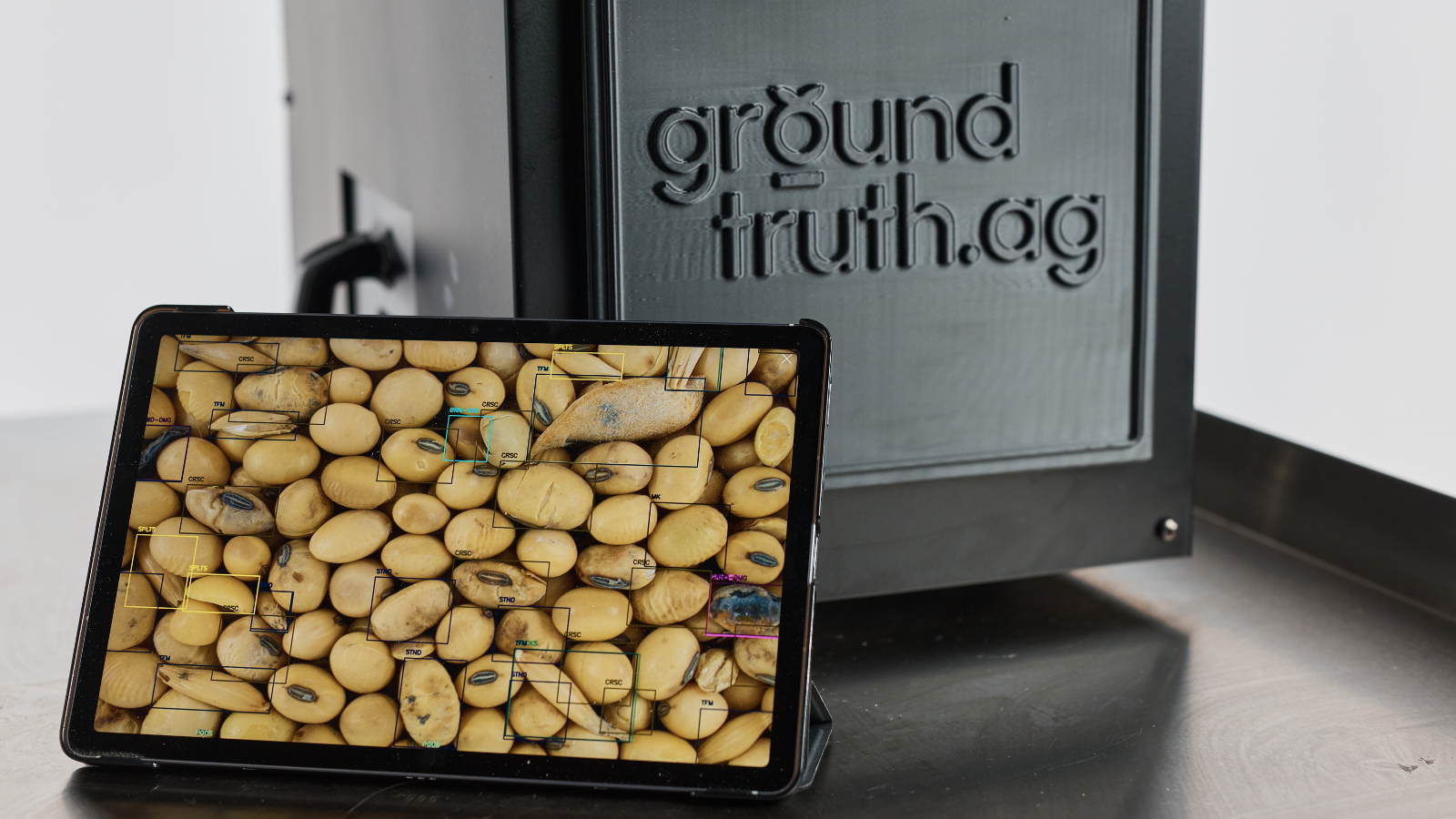
Automated grain grading is a new approach for many people in the grain industry. Whether we are speaking with farmers, grain buyers, processors, or grading teams, many of the same questions come up. Here are some of the most common questions we receive about our benchtop MV/NIRs.
How Does the benchtop Work?
The benchtop MV/NIRs combines Machine Vision, Machine Learning, and Near Infrared Spectroscopy (NIRs) to analyse grain samples.
Simply load a sample into the unit. The system then evaluates both visual and non-visual quality factors and provides detailed results within minutes. Visual factors such as disease, damage, and foreign material are assessed using Machine Vision, while characteristics like protein and moisture are measured using NIRS technology. The result is a comprehensive view of grain quality from a single sample.
Who Is the benchtop Designed For?
We work where you work, wherever grain is handled, processed, moved, or anywhere grain quality decisions need to be made.
This includes:
Farmers looking to understand their quality to make informed decisions
Grain buyers and elevators processing high volumes of grain
Processors evaluating incoming loads
Quality teams responsible for grading and quality assurance.
What Crops Can It Analyse?
Our development work continues to expand across multiple crop types.
Today, our systems support and continue development across crops including:
Commercial: Red Hard Spring Wheat
In Development: Corn, Canola, Yellow Peas, Red Lentils, Soybeans, Amber Durm, Faba Beans, and Oats
Planned: Barley, Large Green Lentils, Hard Red Winter Wheat, Canadian Prairie Spring, and more!
New crop models continue to be added as development progresses and full list can be found here.
How Does It Help During Busy Intake Periods?
Harvest and delivery seasons create significant pressure on grading teams. Hundreds of samples may need to be processed each day, often within a short timeframe.
The benchtop helps by providing:
Consistent evaluation conditions for every sample
Faster analysis and reporting
Objective data to support grading decisions
Reduced bottlenecks during high-volume periods
This allows teams to maintain throughput while continuing to assess grain quality thoroughly.
How Are Results Kept Consistent Across Locations?
One of the advantages of automated analysis is that every sample is evaluated under the same conditions. The same imaging setup, analysis process, and grading models are applied regardless of location. This creates a shared baseline that helps improve consistency between facilities and across teams.
How Do You Ensure Results Align With Industry Standards?
Our development process is built around established grading frameworks and industry collaboration. The benchtop evaluates grading factors according to the regulatory guidelines relevant to the region where it is being used, whether that is the Canadian Grain Commission in Canada or USDA and FGIS standards in the United States. This helps ensure the information generated our technology fits naturally into existing grading and quality workflows.
Why Are More Companies Looking at Automated Grain Grading?
Grain quality expectations continue to evolve. Supply chains are moving faster, quality requirements are becoming more detailed, and businesses are looking for ways to improve consistency and efficiency. Automated grain grading helps provide objective, repeatable quality information while supporting the people responsible for making grading decisions.
How Can I See it in Action?
Every operation has unique quality challenges, workflows, and grading requirements. A demonstration is the best way to see how our benchtop MV/NIRS system fits into your process and the insights it can provide. Whether you're looking to improve consistency, increase throughput, or gain a more comprehensive understanding of grain quality, we're here to help.
Book a demo today to see how Ground Truth Ag can support your grading and quality assessment goals.