
Why Grain Grading Is Evolving: Meeting the Needs of a Modern Supply Chain
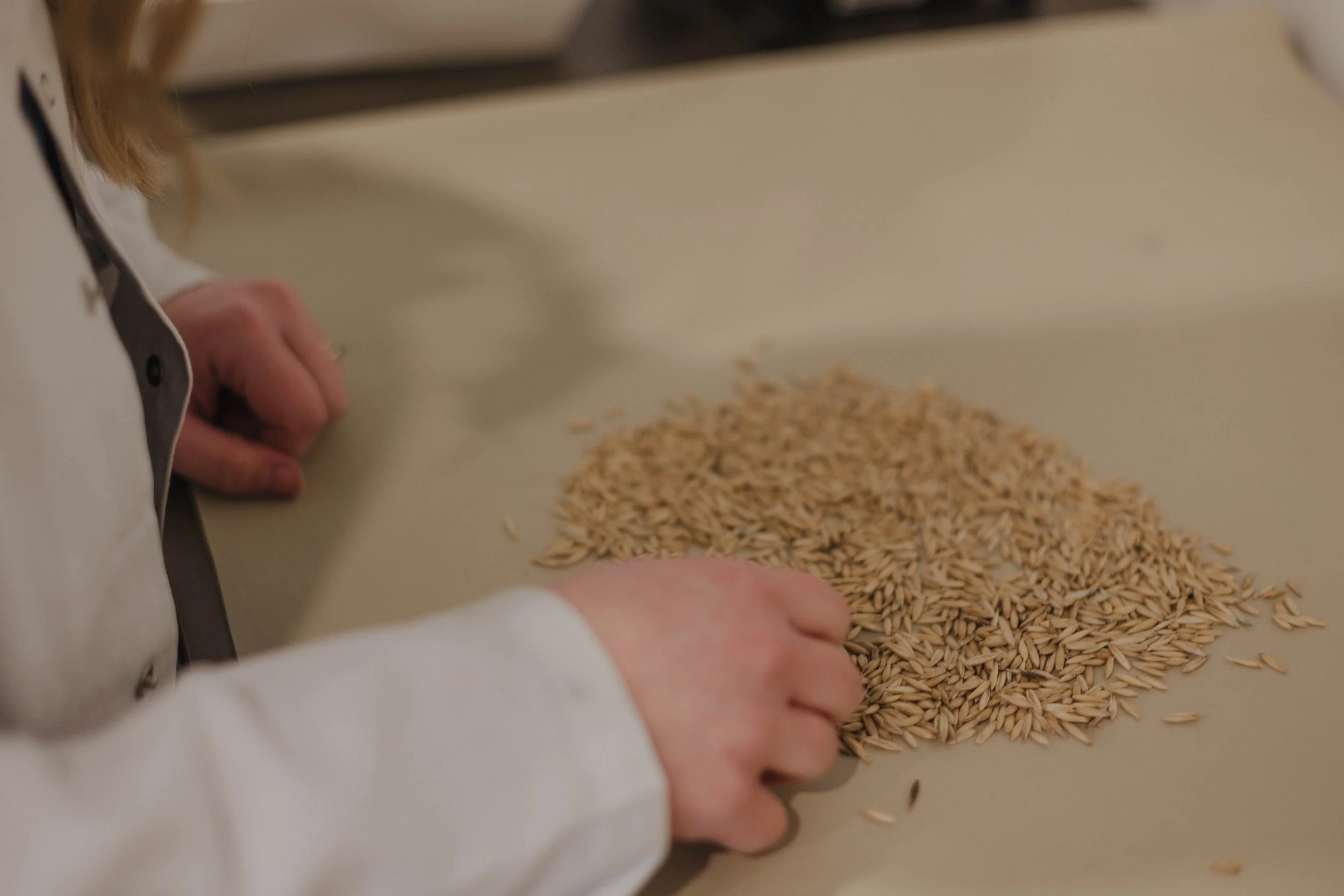
As global demand for grains and oilseeds continues to rise, the system responsible for evaluating grain quality has remained largely unchanged. Today, the world produces close to three billion metric tons of cereals each year, and a significant portion of that volume is still evaluated one sample at a time by human graders.
Grain grading has always been important, but rapid changes in farming, logistics, and food processing are exposing the limits of a system designed for a different era.
Grain Moves Faster Than Quality Can Be Checked
Modern farming and logistics have transformed how quickly grain moves:
Larger farms create bigger, more frequent loads
High-capacity combines bring grain in faster than ever
Delivery points process thousands of samples in a short harvest window
Yet grading still relies on a manual workflow that has not kept pace. Delivery points may need to decide between maintaining speed or maintaining accuracy. Under pressure, consistency becomes difficult even for experienced graders.
Grain Quality Has Become More Nuanced
Historically, grading focused on broad visual categories such as colour, damage, or foreign material. Today’s supply chain needs far more precision. Mills, crushers, exporters, and food manufacturers all demand tighter quality guarantees for:
Baking performance
Protein and gluten characteristics
Oil content and quality
Cleanliness and uniformity
Quality Expectations Vary Across the Supply Chain
A sample that meets minimum grading standards at delivery may behave differently once it reaches a mill or export terminal. This disconnect creates challenges at multiple points:
Farmers want clarity earlier so they can market grain confidently
Elevators want consistency to manage blending and storage
Processors want predictability to ensure product performance
Exporters want reliability to maintain customer trust
Without standardized data, every stage must build in extra buffers, double-checks, or conservative blending practices to manage uncertainty.
A System Ready for Modernization
The current grain grading process is not failing but simply being asked to do more than it was built for. It must now support global trade, precision processing, tighter quality specs, and faster logistics.
The industry continues to depend on human skill, judgment, and experience, and will for a long time. Automation grain grading simply helps extend that expertise into environments that demand speed, consistency, and data-backed clarity.
As global grain production increases and end-use requirements become more precise, pairing human expertise with standardized, objective tools will help grading remain both trusted and future-ready.
How We Help Bring Human Expertise and Technology Together
Our benchtop MV/NIRs provides a practical way to bring more consistency into the process without slowing it down. It gives every delivery point access to consistent, efficient, accurate, and comprehensive results every grade.
Benefits include:
Stable evaluation conditions: Lighting, angles, and criteria remain the same for every sample
Comparable results across locations: A sample graded at one site matches how it would be read at another
Reduced bottlenecks: High-volume intake can keep moving without sacrificing quality checks
A shared baseline: Farmers, elevators, and processors can reference the same objective data
This creates a smoother flow of information from farm to export, reducing friction and uncertainty.
Sources:
World Bank, Global Cereal Production Data (2022): https://tradingeconomics.com/world/cereal-production-metric-tons-wb-data.html