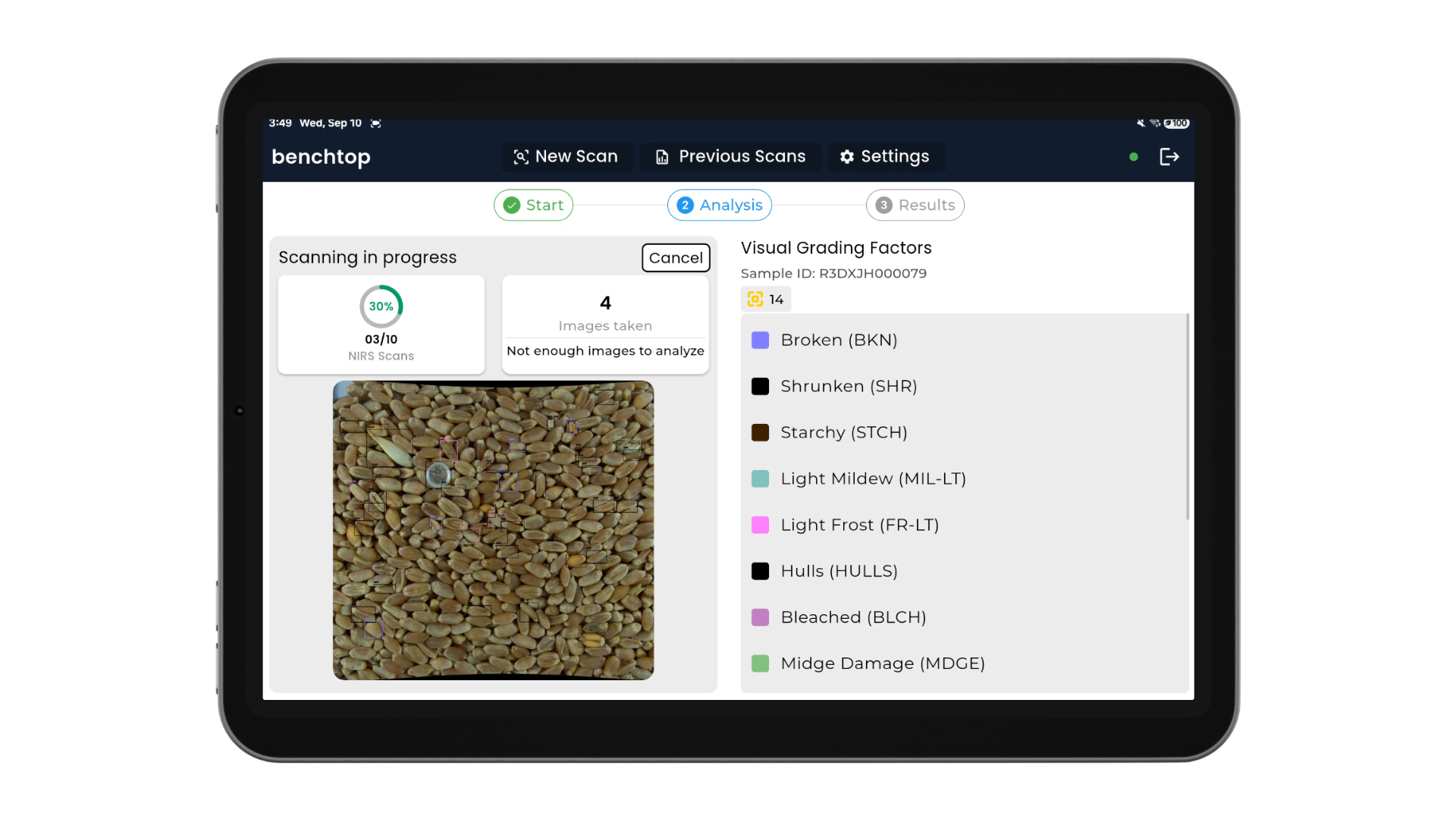
What Happens to Grain After It’s Graded?
Once grain is graded, it’s easy to think the process is over. But in reality, grading is the beginning of a much bigger story—one that determines how grain moves through the supply chain, how it’s priced, and how it’s eventually used in food, feed, or processing.
Why Grading Comes First
Grading is the first step in turning a harvested crop into a marketable product. It provides a shared language for quality between farmers, buyers, and processors. The official grade helps determine where grain can go, how it’s stored, and what it’s worth.
When grain arrives at an elevator or processor, the grade sets expectations. Higher grades are directed toward premium markets, while lower grades may be blended, diverted to feed use, or processed differently.
From Delivery to Storage
After grading, samples and data are used to plan how grain will be handled.
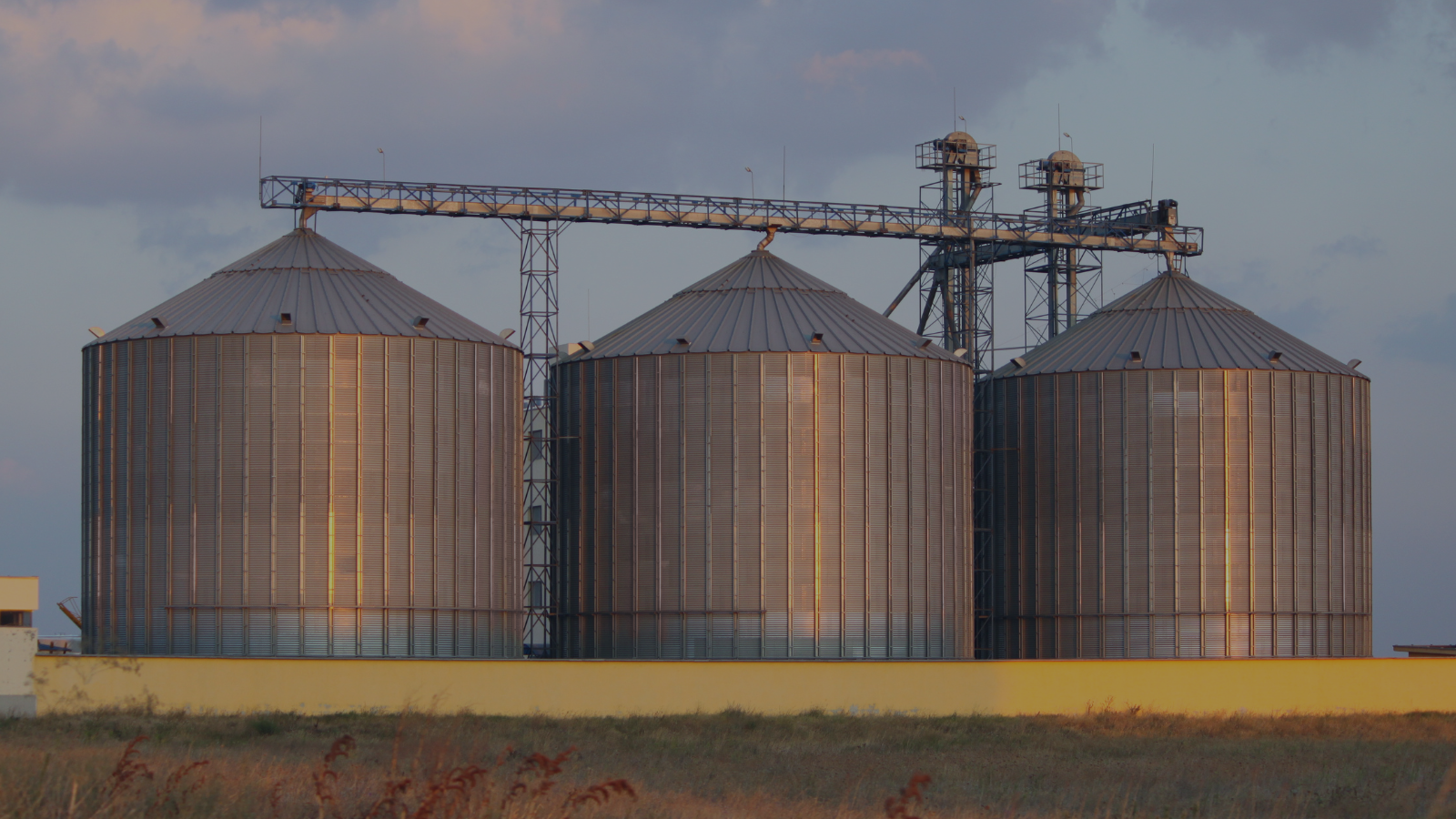
Segregation: Grain is separated into bins or silos based on grade and quality factors. This helps maintain consistency and traceability.
Blending: Elevators may combine grain from multiple loads to meet target specifications for buyers.
Storage decisions: Grading data helps determine aeration, temperature management, and how long a lot can be safely stored before delivery or sale.
From the Elevator to the Processor
Once sold, grain quality data continues to guide its journey.
Mills and crushers rely on grading information to match the right inputs with their end-use requirements, such as flour strength, oil content, or protein levels.
Export terminals use grading data to build shipments that meet customer specifications and international standards.
Feed processors use it to balance nutritional content and consistency.
At every step, consistent grading ensures that everyone in the chain understands what they’re working with and can make efficient, confident decisions.
Why Consistency Matters
When grading is subjective or inconsistent, small differences at delivery can create large impacts downstream. A load classified slightly higher or lower than expected can affect blending targets, contract fulfilment, and product quality.
That’s why objectivity in grading is so valuable. Consistent, repeatable results help protect trust between farmers, buyers, and processors and strengthen Canada’s reputation for reliable grain quality.
How We Fit In
At Ground Truth Ag, our automated grading technology delivers fast, consistent data at every stage—from farm to elevator to processor. By improving accuracy and transparency, we help ensure that grading results reflect true quality, supporting better decisions all along the supply chain.