
Grain Update: Soybeans and Corn
Our grain development work continues to build momentum. With more data, closer collaboration with partners, and ongoing refinement, both our soybean and corn models are evolving quickly, and improving performance against real world samples.
Here’s where things stand today.
Soybeans
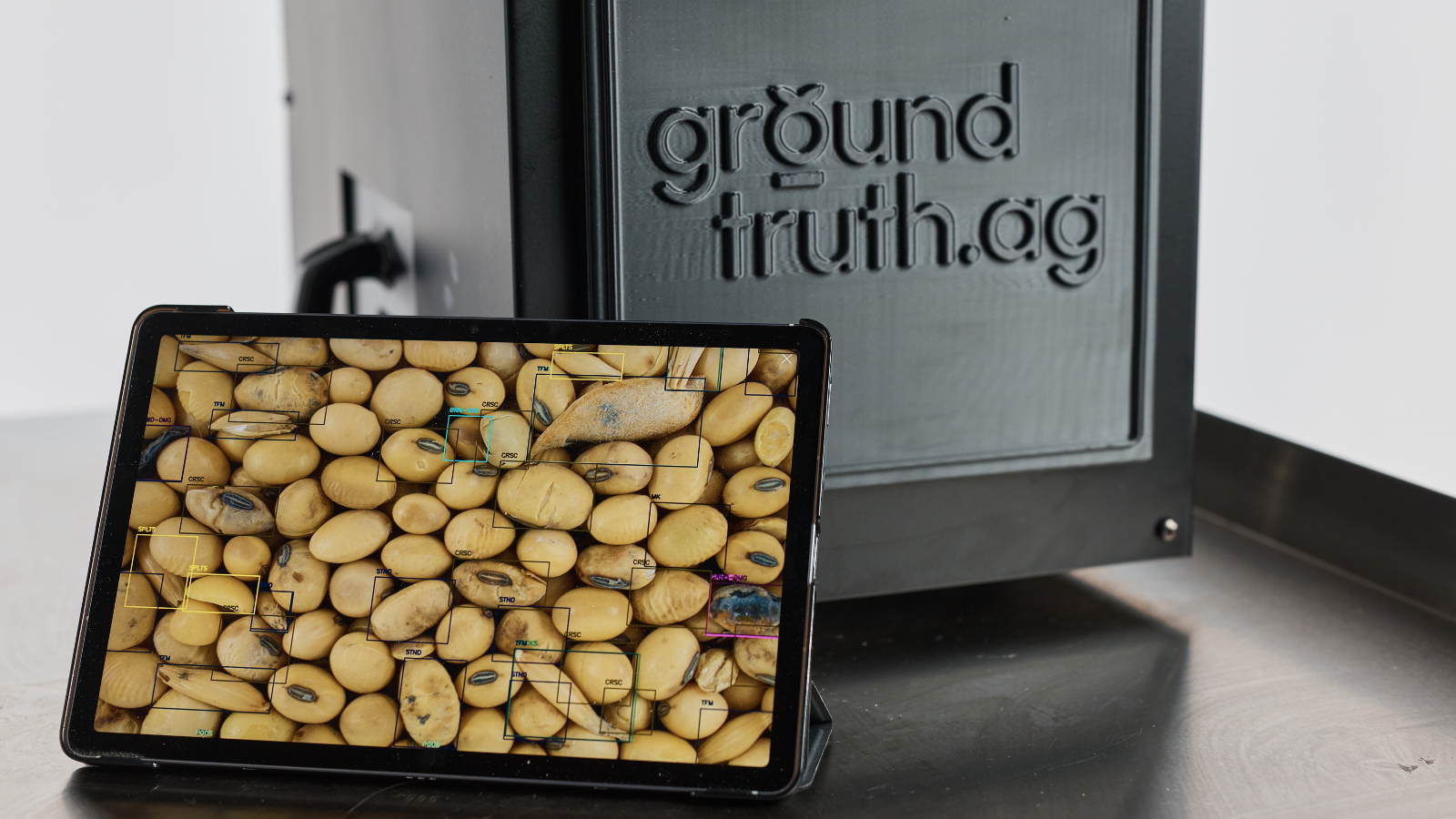
Soybean development is moving rapidly this season. Since introducing it last year our accuracy has improved significantly, and results are becoming even more consistent across samples from both Canada and the United States.
What We’re Evaluating:
Our soybean analysis focuses on key quality factors that directly influence grade and end use:
Cracked seed coat count
Splits
Damages (heat, mould, weather, ground)
Soybeans of other Colours
Foreign Materials
Moisture
Protein
Oil content
Together, these factors provide a well-rounded view of soybean quality at intake and delivery.
Why This Matters
Stronger performance at the sample level means clearer insight earlier in the process. Our analysis helps support faster, more confident decisions around storage, blending, and marketing, without slowing down intake.
Our soybean models are built to align with established grading standards used by the Canadian Grain Commission and the USDA, ensuring results fit naturally into existing grading and quality workflows.
Corn
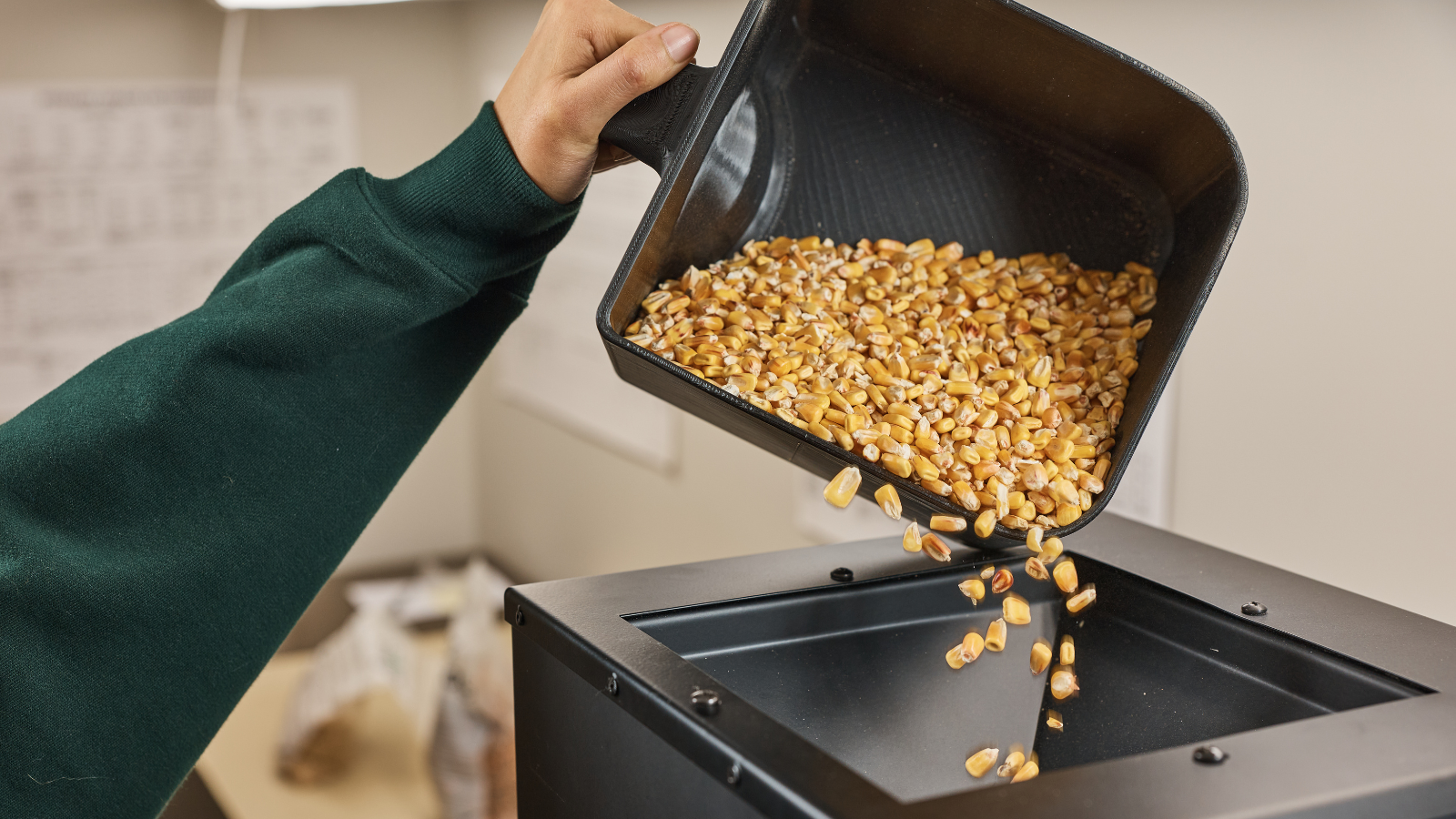
Corn development continues with a focus on the U.S. market, where high volumes and tight timelines make clarity and consistency especially important.
Current Focus
Our first iteration of corn development focuses on quality issues that show up at intake and can create challenges later on:
Damages (heat, colour, rot)
Moisture
These factors can affect grain quality, storability, and marketability, making early and consistent detection important.
Why It Matters
By building models around these real-world quality challenges, we are laying the foundation for benchtop analysis that supports grading teams during busy intake periods and helps surface potential risks earlier.
Designed for How Grain Moves Today
Across both crops, our development work is grounded in practical use. We focus on accuracy, speed, and consistency, so results hold up in high-throughput environments.
This work is about supporting grading and quality teams with better information, earlier in the process, while staying aligned with the standards and systems the industry already trusts.